 11
11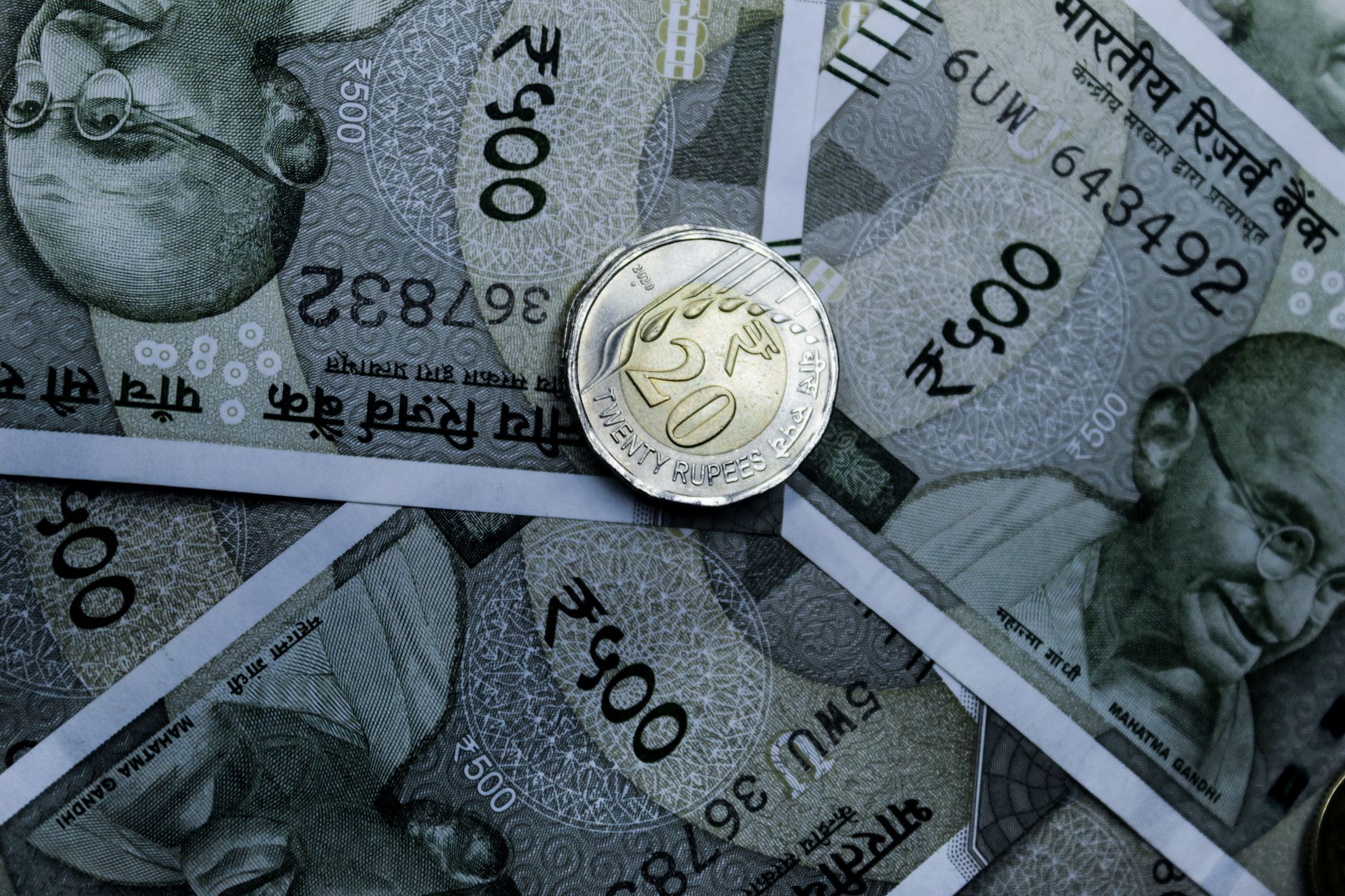
India UPI policy shift is a significant development as the country navigates increasing trade pressure from the U.S. This change could reshape economic interactions.
In recent months, India has undergone a significant UPI policy shift that aims to address the growing pressures from international trade dynamics. The Unified Payments Interface (UPI), which has revolutionized digital transactions in India, is now being adjusted to enhance its global competitiveness. This shift is seen as a strategic maneuver to strengthen India’s position in the global market, especially in light of intensified scrutiny from the U.S. government.
Experts suggest that this policy adjustment could lead to several outcomes:
As India navigates these changes, the impact on both domestic and international transactions will be closely monitored by analysts and stakeholders alike.
The recent shift in India’s UPI policy comes amid growing trade pressure from the United States, raising questions about the underlying motivations behind this change. Analysts suggest that the UPI policy shift is a strategic response aimed at addressing concerns raised by U.S. trade representatives.
Several key factors contribute to this impact:
Overall, the India UPI policy shift reflects a broader effort to balance national interests with international trade commitments.
The recent India UPI policy shift highlights the growing importance of digital payments in facilitating trade. As global commerce continues to evolve, countries are increasingly recognizing that adapting to new payment technologies can enhance efficiency and competitiveness. In India, the Unified Payments Interface (UPI) has transformed the way transactions are conducted, making it easier for businesses and consumers alike to engage in trade.
Digital payments offer several advantages that can drive economic growth:
As India navigates its UPI policy shift, the focus on digital payments could provide a strategic advantage in responding to external trade pressures.
The recent India UPI policy shift has significant economic implications for the country. By adapting its digital payment infrastructure, India positions itself to enhance trade dynamics amidst external pressures. This shift aims to streamline transactions and bolster cross-border trade, which is essential in a globalized economy.
Among the potential benefits, the following points stand out:
Overall, the policy shift is a strategic move that could mitigate the effects of trade pressure while fostering economic growth.
India’s Unified Payments Interface (UPI) is not just a digital payments solution; it is a transformative force in the financial services landscape. The recent India UPI policy shift aims to enhance the efficiency and security of transactions, making digital payments more accessible to a broader population.
Key features of UPI that are driving this transformation include:
As the UPI evolves, it positions India not only as a leader in digital finance but also as a countermeasure to external trade pressures.
Industry experts have expressed mixed reactions to the recent India UPI policy shift. Some believe that this change is a proactive approach to enhance the digital payment ecosystem while addressing external trade pressures. Rajesh Mehta, a financial analyst, stated, “This shift will undoubtedly strengthen India’s position in global trade negotiations.”
Conversely, others caution that rapid adjustments may lead to unintended consequences. Lisa Verma, an economist, noted, “While the India UPI policy shift is commendable, it’s crucial to ensure that the infrastructure remains robust to handle increased transactions.”
Furthermore, Dev Sharma, a tech entrepreneur, emphasized the need for comprehensive training for businesses to adapt to these changes. “The success of the UPI initiative lies in its acceptance and understanding across all sectors,” he added.
Overall, industry leaders are optimistic but vigilant about the impacts this policy may have in the long term.
The future of India-U.S. trade relations may be significantly shaped by the recent India UPI policy shift. As both countries navigate complex economic landscapes, the implications of this policy change could foster new avenues for collaboration.
With the rise of digital payment systems, India’s UPI initiative is becoming increasingly relevant. Stakeholders in both nations are recognizing the potential for enhanced trade efficiencies and reduced transaction costs. This shift not only addresses U.S. trade pressure but also positions India as a leader in the digital economy.
Experts suggest that by embracing innovations like UPI, India can strengthen its trade partnerships while ensuring compliance with international expectations. The evolution of these dynamics will be crucial in determining the robustness of India-U.S. relations in the coming years.
In conclusion, India’s UPI policy shift represents a strategic maneuver in response to external trade pressures, particularly from the U.S. This policy change not only aims to bolster domestic economic resilience but also enhances India’s position in global trade negotiations. By prioritizing digital payments, India is setting a precedent for other nations facing similar challenges.
As the landscape of international trade continues to evolve, the adoption of innovative financial technologies like UPI will be crucial for India. This shift may foster stronger economic partnerships and improve trade relations with countries that value digital integration.
Ultimately, the India UPI policy shift serves as a testament to the nation’s adaptability in navigating complex trade dynamics, ensuring that it remains competitive on the world stage while addressing the concerns of its trading partners.
The India UPI policy shift reflects the country’s strategic adaptation to global trade dynamics. By embracing digital payment solutions, the India UPI policy shift aims to bolster economic resilience and enhance international partnerships.
Photo by Ravi Roshan on Pexels