 11
Gold price stability is a key focus as it holds above $4,000 amidst changing geopolitical dynamics and upcoming Fed decisions.
In recent weeks, gold price stability has become a focal point for investors as geopolitical tensions and economic factors shape market sentiment. With gold prices holding steady above $4,000, analysts are closely monitoring the impact of diplomatic developments in the Hormuz region, which have eased crude oil prices. This stability in gold can be attributed to several key trends:
As these factors evolve, gold’s resilient performance will be crucial in shaping future trends.
The recent developments in Hormuz diplomacy have significantly influenced global oil prices, which in turn impacts gold price stability. As tensions ease in the region, oil traders have responded positively, leading to a decline in crude prices. This decline often results in a more favorable environment for gold as investors seek safe-haven assets amidst fluctuating markets.
Factors contributing to this shift include:
Thus, the ongoing Hormuz diplomacy plays a crucial role in shaping the dynamics of gold price stability.
As the Federal Reserve prepares for its upcoming decision, investors should closely monitor the implications for gold price stability. The Fed’s actions can significantly impact market sentiment and investor behavior, especially as economic indicators fluctuate.
Understanding the Fed’s stance on interest rates is crucial, as any changes can lead to shifts in gold demand. Historically, lower interest rates tend to strengthen gold prices, making it an attractive asset for investors seeking a hedge against inflation and currency fluctuations.
Additionally, geopolitical factors, such as ongoing tensions in the Middle East, can further influence gold’s safe-haven appeal. Investors are advised to consider the interplay between these elements and the Fed’s policy decisions to navigate the evolving landscape effectively.
As economic news unfolds, market reactions often create ripples in various sectors, including precious metals. Recently, the stability of gold prices has come under scrutiny, particularly in light of geopolitical tensions and upcoming Federal Reserve decisions. Analysts have observed that when economic indicators signal uncertainty, gold tends to serve as a safe haven for investors seeking to preserve value.
In the wake of the Hormuz diplomacy, which has influenced oil prices, the gold market has remained resilient. Many investors are closely monitoring how these developments might affect gold price stability. Key factors contributing to this stability include:
These elements are critical as traders anticipate the Fed’s next move.
As investors turn their attention to the upcoming Federal Reserve decision, predictions for gold and crude prices remain pivotal. Analysts suggest that the gold price stability witnessed in recent months may continue, depending on economic indicators and geopolitical developments.
Several factors are influencing these forecasts:
Overall, the interplay between these factors will be critical in shaping future trends for both gold and crude. Investors are advised to stay informed as the situation evolves.
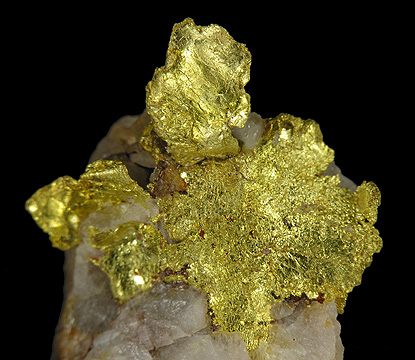
By Robert M. Lavinsky via Openverse
Northwest Bancshares earnings: Proven success with revenue boost · Stable rupee rate rise signals positive economic shift · Bitcoin ETFs: Are They the Best Investment Option Now?