

Fed rate-hike forecast: UBS’s Proven Strategy for 2026
Fed rate-hike forecast is a critical topic for investors and economists alike. UBS has recently doubled down on its predictions for 2026, signaling significant changes ahead.
Understanding UBS’s Forecast
UBS has recently reiterated its Fed rate-hike forecast for 2026, emphasizing a strategic approach to navigating the evolving economic landscape. The financial giant believes that a series of interest rate increases could be on the horizon, driven by factors such as inflationary pressures and robust economic growth.
Key components of UBS’s forecast include:
- Economic Indicators: UBS is closely monitoring inflation rates and employment figures, which play a significant role in shaping monetary policy.
- Market Sentiment: The firm suggests that investor confidence will be pivotal in determining the timing and magnitude of any rate hikes.
- Global Influences: International economic trends are also considered crucial, as they can impact domestic conditions.
Overall, UBS’s analysis underscores the importance of staying informed about potential shifts in the Federal Reserve’s approach to interest rates.
Implications for Investors
The Fed rate-hike forecast from UBS has significant implications for investors navigating the evolving economic landscape. As central banks adjust their policies, market participants must remain vigilant and adapt their strategies accordingly.
Investors should consider the following points:
- Interest Rate Sensitivity: Sectors such as real estate and utilities may face pressure as borrowing costs rise.
- Diversification: A well-diversified portfolio can help mitigate risks associated with rate hikes.
- Bond Investments: Fixed-income securities may see decreased performance, prompting a reassessment of bond holdings.
- Equity Opportunities: Certain stocks may benefit from higher rates, particularly financial institutions.
Ultimately, staying informed about the Fed rate-hike forecast will empower investors to make sound decisions in a shifting economic environment.
Historical Context of Rate Hikes
The historical context of rate hikes provides valuable insights into the current Fed rate-hike forecast. Over the past few decades, the Federal Reserve has adjusted interest rates in response to economic conditions, inflation, and employment rates. Each rate hike has been influenced by a variety of factors, including:
- Inflation Trends: Rising prices often prompt the Fed to increase rates to maintain economic stability.
- Economic Growth: Strong growth can lead to higher interest rates as demand for credit increases.
- Global Events: International economic shifts can impact domestic rate decisions.
As UBS emphasizes, understanding these historical patterns is crucial for interpreting the Fed rate-hike forecast for 2026. Investors who take these trends into account may better position themselves for potential market shifts.
What Experts Are Saying
Experts are weighing in on the Fed rate-hike forecast, emphasizing the potential impact on the economy and investment strategies. Many analysts agree with UBS’s perspective, highlighting that a gradual increase in rates may be on the horizon as inflation concerns persist.
According to a recent market analysis, UBS’s proven strategy for 2026 relies on careful monitoring of economic indicators.
- Inflation trends will play a crucial role in shaping future rate decisions.
- Employment rates are also expected to influence the Fed’s timeline for adjustments.
- Analysts suggest that investors should prepare for potential volatility as the market reacts to these forecasts.
As the Fed navigates these challenges, the conversation around the Fed rate-hike forecast remains dynamic and closely watched. Investors are advised to stay informed as new data emerges.
Economic Indicators to Watch
As the Fed rate-hike forecast for 2026 becomes more critical, investors should pay close attention to key economic indicators that could influence monetary policy decisions. These indicators provide insights into the overall health of the economy and the likelihood of future rate adjustments.
Some of the most important indicators to monitor include:
- Inflation Rates: Persistent inflation could prompt the Federal Reserve to implement more aggressive rate hikes.
- Unemployment Figures: A declining unemployment rate often leads to wage growth, which can further impact inflation.
- Consumer Spending: Increased consumer spending can signal economic strength, potentially affecting the Fed’s rate-hike strategy.
- Global Economic Trends: International developments can also play a significant role in shaping the Fed’s approach.
Monitoring these indicators will be essential for anticipating changes in the Fed rate-hike forecast.
Potential Market Reactions
The Fed rate-hike forecast has stirred considerable attention among market analysts and investors alike. As UBS emphasizes its strategy for 2026, potential market reactions could vary significantly based on investor sentiment and economic data.
Here are some possible outcomes:
- Increased Volatility: As expectations shift, markets may experience heightened volatility, particularly in sectors sensitive to interest rate changes.
- Sector Rotation: Investors might pivot towards defensive sectors such as utilities and consumer staples, which traditionally perform better in rising rate environments.
- Bond Market Adjustments: Anticipation of rate hikes could lead to a sell-off in bonds, causing yields to rise and impacting borrowing costs.
Overall, the Fed rate-hike forecast remains a critical factor influencing market dynamics as UBS outlines its approach for the coming years.
Conclusion and Future Outlook
As the landscape of the financial market continues to evolve, the Fed rate-hike forecast for 2026 remains a critical point of discussion among investors and analysts alike. UBS’s commitment to this forecast highlights a growing confidence in the economic recovery and inflation management strategies.
In conclusion, it is essential for investors to stay informed and agile in response to potential shifts in monetary policy. The outlook provided by UBS not only reflects their analytical approach but also serves as a guide for navigating future market conditions.
Key considerations for the upcoming years include:
- Monitoring inflation trends
- Assessing global economic stability
- Adapting investment strategies accordingly
By remaining vigilant, investors can better position themselves for the anticipated changes ahead.
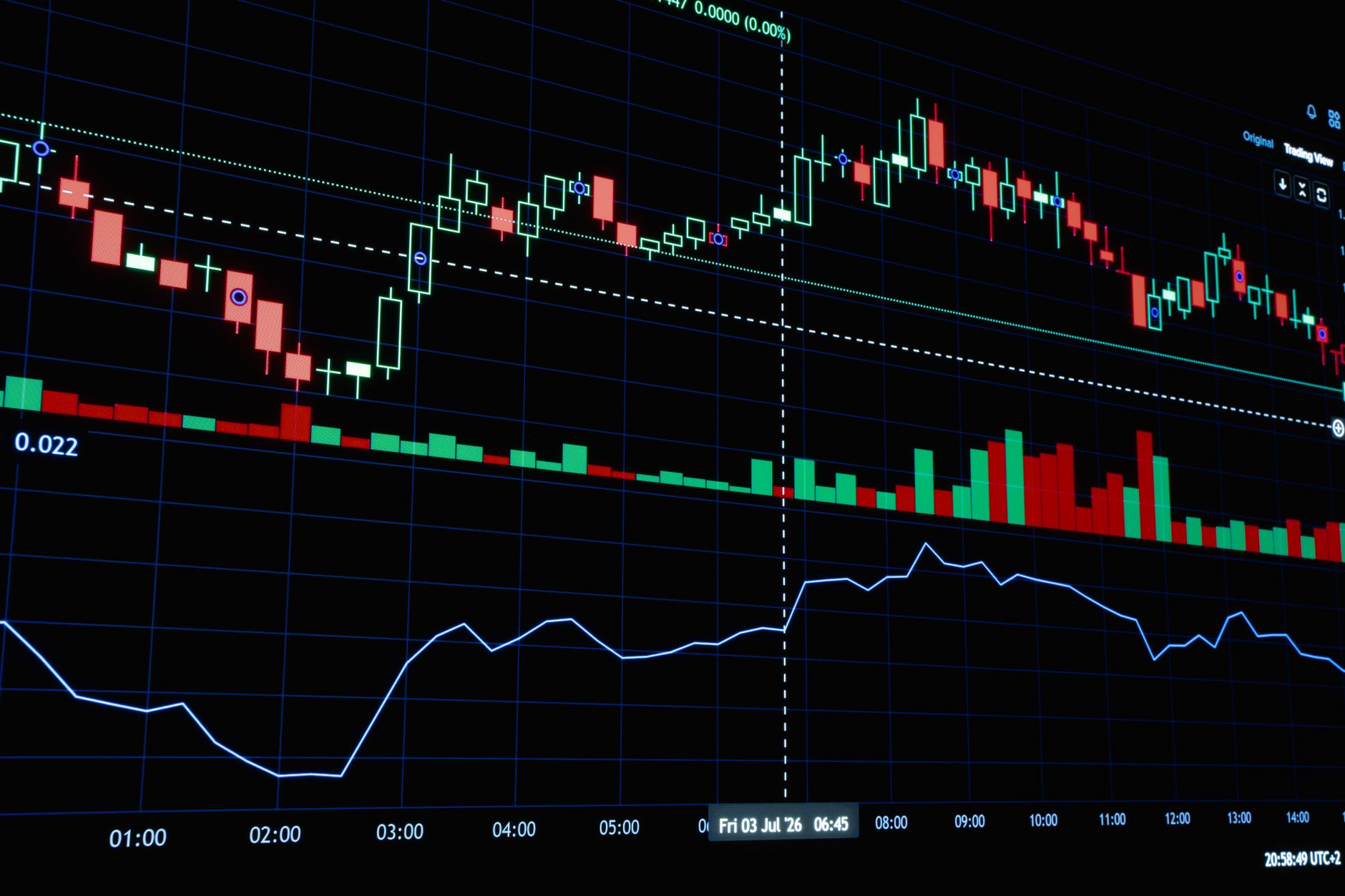
Photo by Rafael Minguet Delgado on Pexels