 11
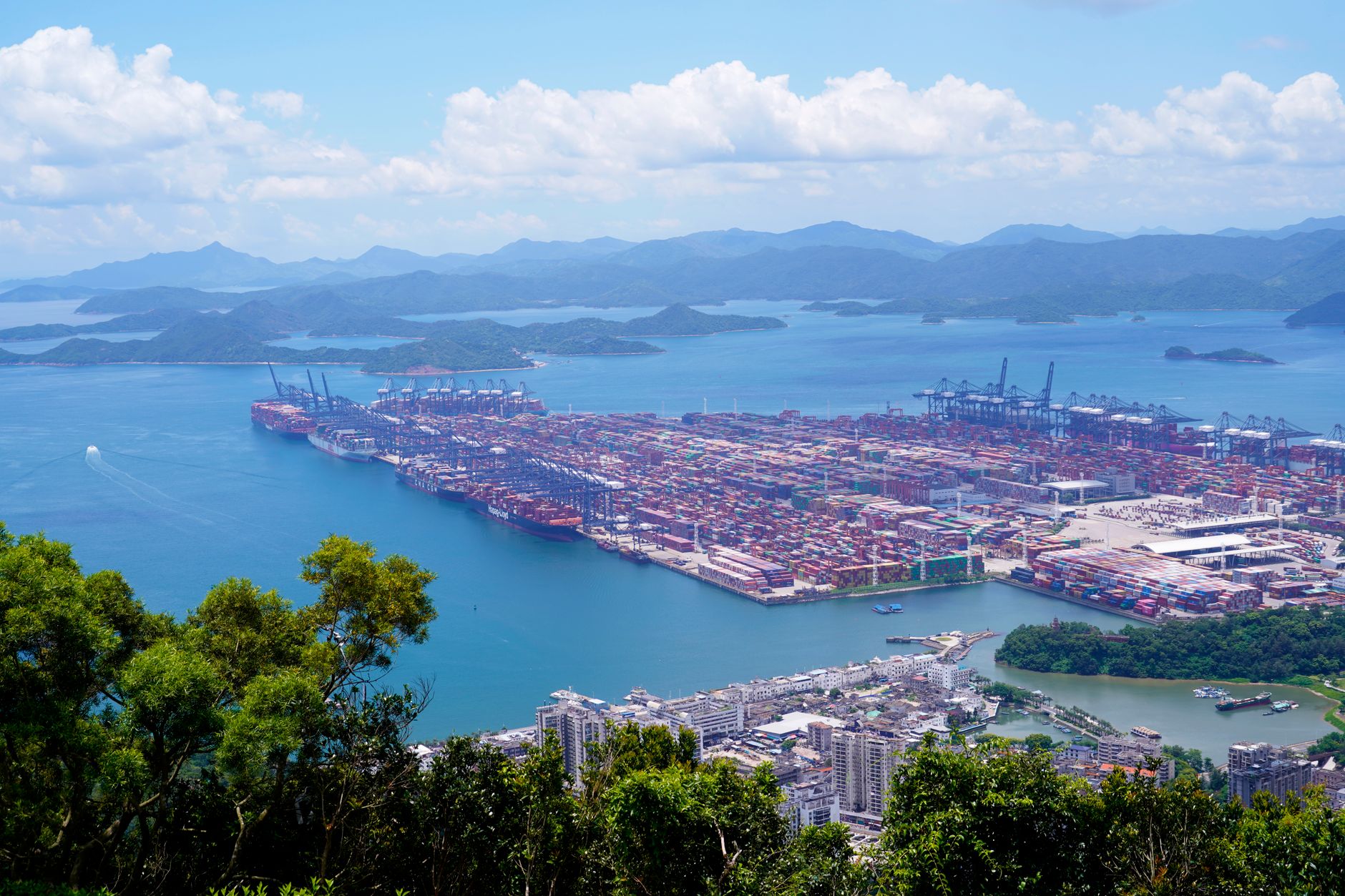
Chinese exports challenges are becoming a significant concern for JSW Steel’s CEO. These trade barriers pose risks to the business landscape in India.
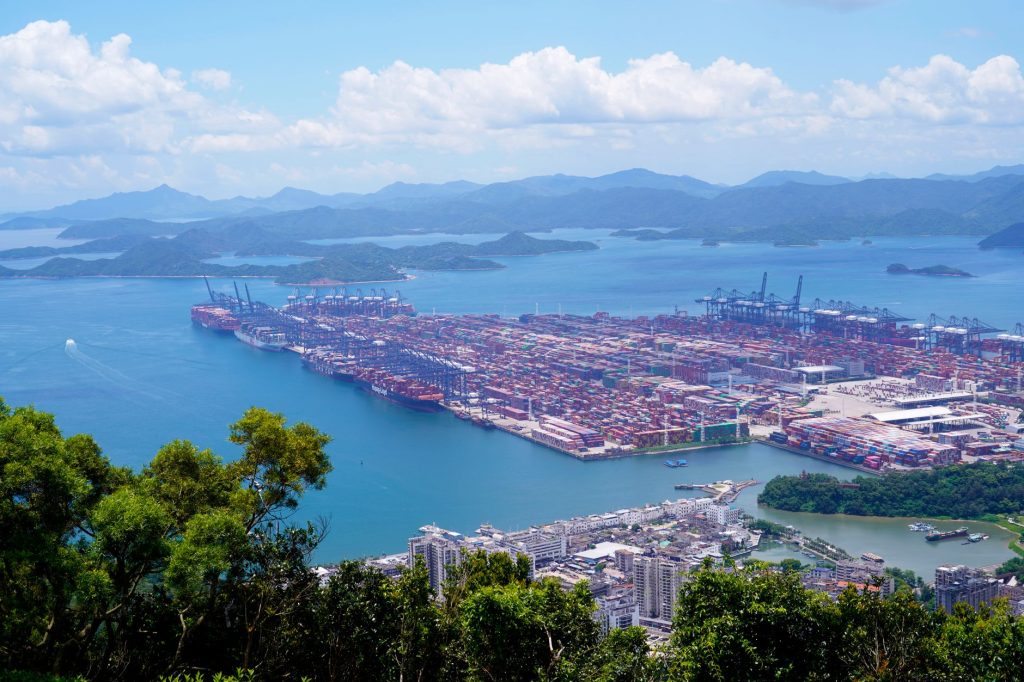
The landscape of global trade is increasingly shaped by various challenges faced by Chinese exports. As the world’s second-largest economy, China has long been a dominant force in international markets. However, recent shifts have highlighted significant barriers that threaten its export growth.
One major issue is the imposition of trade barriers by various countries, which often cite concerns over unfair competition and environmental standards. These restrictions can take the form of tariffs, quotas, or stringent regulations, all of which complicate the export process for Chinese companies.
Additionally, increasing tensions between China and other nations have led to a more cautious approach in trade relationships. Factors such as geopolitical conflicts, fluctuating demand in foreign markets, and rising production costs have compounded these challenges.
Furthermore, logistical issues, including supply chain disruptions exacerbated by the COVID-19 pandemic, continue to impact the efficiency of Chinese exports. To navigate these hurdles, Chinese exporters must adapt by seeking new markets and enhancing competitiveness through innovation and quality improvements.
In summary, understanding the multifaceted challenges facing Chinese exports is essential for stakeholders in global trade.
The impact of trade barriers on JSW Steel has become increasingly significant, particularly in light of the ongoing challenges faced by Chinese exports. These barriers have created a complex landscape for manufacturers like JSW Steel, which rely on global supply chains and access to various markets.
According to the CEO of JSW Steel, several key challenges stem from these trade restrictions:
As JSW Steel navigates these challenges, the company is exploring alternative sourcing strategies and strengthening its domestic production capabilities to mitigate the impact of trade barriers on its operations.
JSW Steel, amid the ongoing challenges in the market, has identified several critical issues impacting the steel industry, particularly regarding Chinese exports challenges. The company’s CEO recently highlighted that the increasing trade barriers imposed on Chinese steel products are reshaping competitive dynamics.
The company is taking proactive measures to address these market pressures. Key strategies include:
Furthermore, the CEO emphasized the importance of collaboration with government bodies to navigate these challenges effectively. By advocating for fair trade practices and policies that support local manufacturers, JSW Steel aims to strengthen its position in the global market while overcoming the hurdles posed by trade barriers.
The Indian steel industry is facing a pivotal moment as it navigates the complexities posed by Chinese exports challenges. With global demand fluctuating and trade barriers intensifying, the future of this sector hinges on adaptability and innovation.
Industry leaders, including the CEO of JSW Steel, emphasize the importance of addressing these challenges to maintain competitiveness. The current landscape presents several key factors that will shape the outlook for Indian steel:
In conclusion, while the challenges posed by Chinese exports are significant, they also present an opportunity for the Indian steel industry to evolve and strengthen its position in the global market.
As global demand fluctuates, businesses are increasingly aware of the Chinese exports challenges that impact their supply chains. Understanding these Chinese exports challenges is crucial for companies looking to navigate the complex international market.
Photo by kf zhou on Pexels
Sensex Nifty Update: Clear Insights for Today’s Market Trends · Sanjay Mehrotra biography: The Smart Rise of a Proven Leader · Fed Hike Bets: The Right Strategy for Investors in 2023