 11
11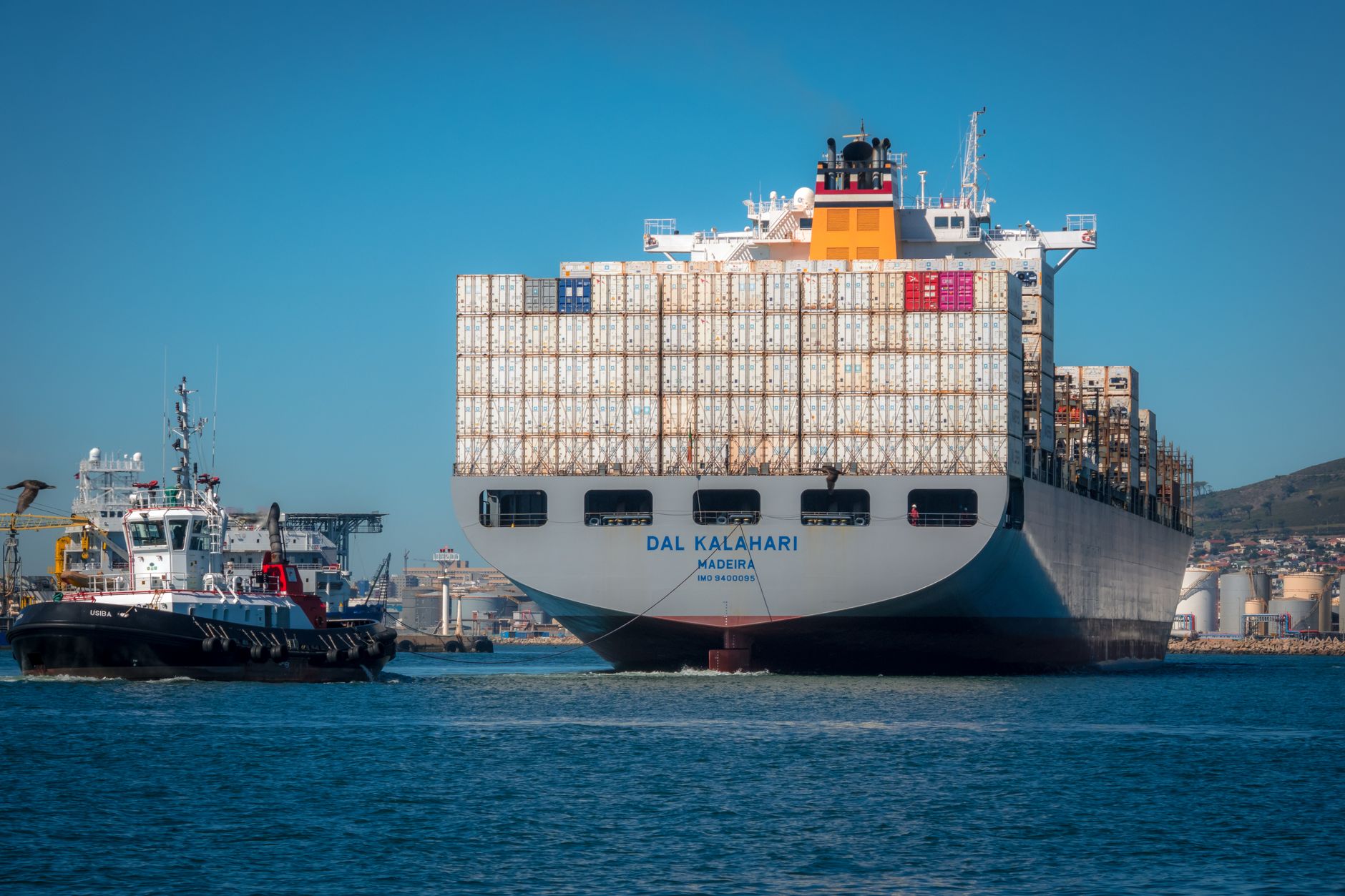
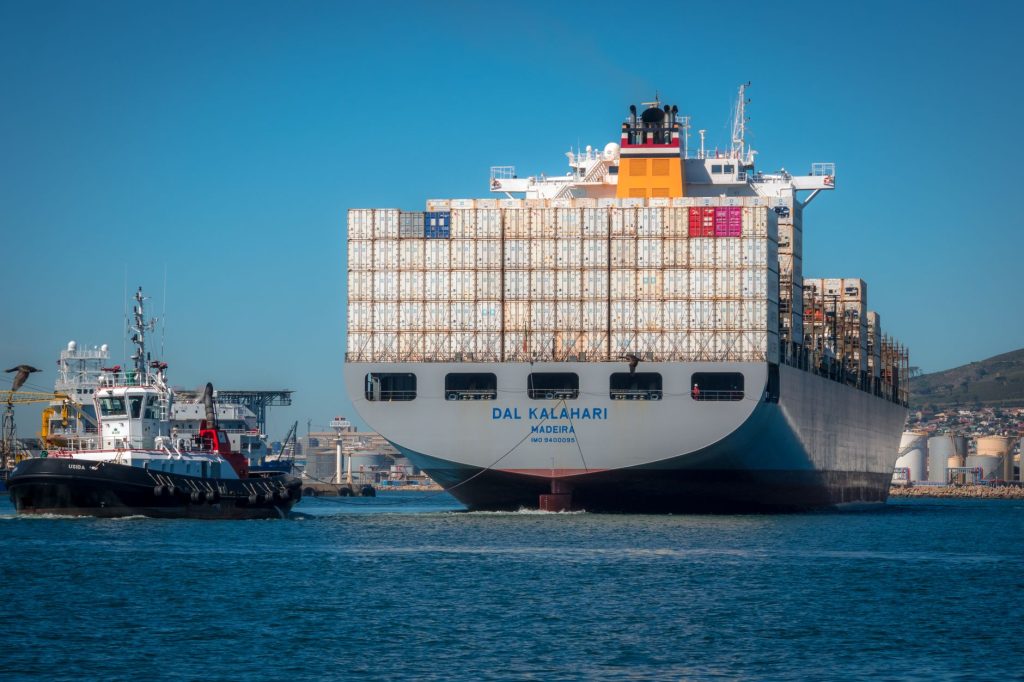
Cape freight rates are currently affecting Guinea’s bauxite shipments, marking a significant shift in the logistics landscape. This situation presents both challenges and opportunities for stakeholders.
Cape freight rates have emerged as a pivotal factor in the transportation of commodities, particularly in the bauxite shipping sector. These rates dictate the cost of transporting goods using Cape-sized vessels, which are designed to carry bulk materials over long distances. Recently, it has been observed that Cape freight rates have shown the worst elasticity in bauxite shipments, reflecting a concerning trend in the industry.
Understanding the elasticity of Cape freight rates is essential for stakeholders in the shipping and bauxite sectors. Elasticity refers to the degree to which the quantity demanded of a good responds to changes in price. In this context, low elasticity indicates that fluctuations in freight rates have minimal impact on the volume of bauxite being shipped. This can pose challenges for exporters and importers alike, as they may struggle to adapt to changing market conditions.
Key factors influencing the elasticity of Cape freight rates include:
As the market evolves, understanding these dynamics will be crucial for maintaining competitiveness in the bauxite shipping industry.
The recent decline in Cape freight rates has had a significant impact on Guinea’s bauxite shipments, revealing the market’s fragile elasticity. As shipping costs fluctuate, exporters face new challenges in maintaining profitability while meeting global demand for bauxite.
Guinea, known for its rich bauxite reserves, has relied heavily on efficient shipping routes to sustain its position as a leading supplier. However, with the cape freight rates showing the worst elasticity in this sector, companies are struggling to adapt to the changing economic landscape. The inability to adjust prices in response to fluctuating shipping costs threatens both revenue and operational viability.
As a result, many exporters are reevaluating their logistics strategies. Key factors influencing the situation include:
Without a swift response to these challenges, Guinea’s bauxite industry may face a tough road ahead as it tries to navigate the complexities of the current market dynamics.
The dynamics of logistics often hinge on the concept of elasticity, particularly in relation to Cape freight rates. Elasticity in this context refers to how sensitive the demand for shipping services is to changes in freight costs. In the case of bauxite shipments from Guinea, the elasticity appears to be alarmingly low.
When freight rates fluctuate, a highly elastic demand would see shippers adjust their orders significantly in response to cost changes. However, the latest trends indicate that bauxite shipments are not exhibiting this flexibility. This lack of responsiveness has profound implications for the industry.
Ultimately, the poor elasticity of Cape freight rates in bauxite shipments underscores a critical challenge that stakeholders must address to sustain their operations effectively.
The future outlook for Cape freight rates points to a challenging landscape for the bauxite shipping industry. As global demand for bauxite fluctuates, the inherent elasticity of freight rates will play a critical role in determining how the market adjusts to these changes. Recent trends indicate that Cape freight rates are exhibiting the worst elasticity, which could hinder the ability of shipping companies to respond effectively to shifts in supply and demand.
Industry experts suggest that this lack of responsiveness may lead to increased shipping costs, further complicating logistics for exporters. Guinea, one of the largest bauxite producers, faces a particularly tough situation, as its reliance on stable freight rates becomes increasingly precarious. As shipping companies grapple with rising operational costs and unpredictable demand, the potential for significant fluctuations in Cape freight rates remains high.
Looking ahead, stakeholders must closely monitor these trends, as further declines in elasticity could amplify the challenges faced by bauxite exporters. Adaptation and innovation in logistics strategies may become necessary to navigate the evolving freight landscape, ensuring that the industry can sustain its operations amid these uncertainties.
Photo by Andrew Harvard on Pexels
Bitcoin Price Prediction: Proven Insights for Investors · Sahajanand Medical Technologies IPO: Quick Subscription Insights · PNC Financial Q3 earnings: Best proven strategies for investors?