 11
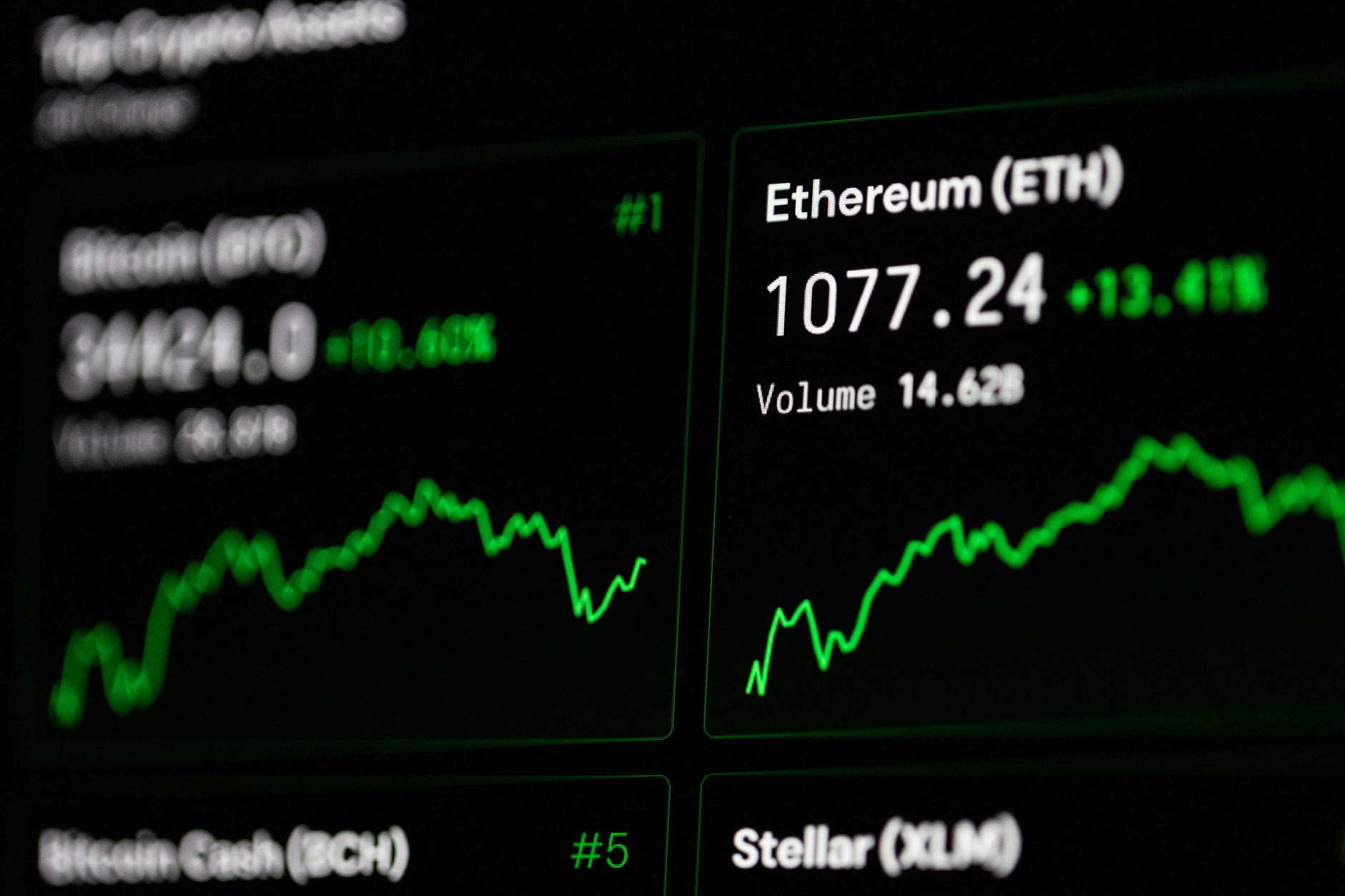
Bitcoin ether price volatility is becoming a hot topic as behind the scenes forces may amplify the fluctuations in these cryptocurrencies. Understanding these influences is crucial for investors.
Bitcoin and Ether are two of the most prominent cryptocurrencies, each with unique characteristics that contribute to their price dynamics. Bitcoin, often referred to as the original cryptocurrency, was created in 2009 and has established itself as a digital gold, serving as a store of value. Its capped supply of 21 million coins adds to its scarcity, which can intensify price swings.
On the other hand, Ether operates on the Ethereum blockchain, which supports smart contracts and decentralized applications. This utility drives demand for Ether, resulting in distinct market behavior compared to Bitcoin. While both cryptocurrencies experience price volatility, various factors can amplify this phenomenon.
Some key elements influencing the price volatility of Bitcoin and Ether include:
Understanding these factors is crucial in navigating the complex landscape of Bitcoin and Ether price volatility.
The price volatility of Bitcoin and Ether can be attributed to several interrelated factors that shape the cryptocurrency market. Understanding these influences is crucial for investors and enthusiasts alike.
Market sentiment plays a crucial role in the price volatility of both Bitcoin and Ether. Investors’ emotions, driven by news and social media trends, can lead to rapid price fluctuations. When market sentiment is positive, demand for these cryptocurrencies often soars, pushing prices higher.
Conversely, negative sentiment can trigger panic selling, resulting in sharp declines. This cyclical nature of investor psychology creates an environment ripe for volatility, making it essential for traders to monitor public perception closely.
Several factors can influence market sentiment, including:
As Bitcoin and Ether continue to gain mainstream acceptance, their price volatility is likely to be amplified by shifts in market sentiment, making them both fascinating and risky assets for investors.
Institutional investors have increasingly become a significant force in the cryptocurrency market, particularly in amplifying bitcoin and ether price volatility. Their participation introduces a layer of complexity that can lead to more pronounced price swings.
Unlike retail investors, institutions often have access to larger amounts of capital and sophisticated trading strategies, which can create substantial market movements. This dynamic is influenced by several factors:
As institutional interest continues to grow, understanding their role will be crucial for navigating the complexities of bitcoin and ether price fluctuations.
Technical analysis plays a crucial role in understanding the price movements of cryptocurrencies like Bitcoin and Ether. Traders utilize various indicators to gauge market sentiment and predict future price action.
Some of the most common tools employed in technical analysis include:
As the bitcoin ether price volatility continues to attract attention, understanding these technical indicators becomes essential for navigating the unpredictable landscape of cryptocurrency trading. Mastering technical analysis can empower traders to make informed decisions amidst the rapid fluctuations seen in these digital assets.
As we look ahead, the future predictions for Bitcoin and Ether suggest a landscape marked by continued price volatility. Analysts indicate that several factors will play crucial roles in shaping the trajectories of these leading cryptocurrencies.
Among the key elements influencing future volatility are:
In summary, the interplay of these factors will likely amplify Bitcoin and Ether price volatility, making it essential for investors to stay informed and adaptable in this fast-evolving market.
Understanding the underlying factors contributing to bitcoin ether price volatility is crucial for investors looking to navigate this unpredictable market. As trading patterns evolve, the implications of bitcoin ether price volatility become increasingly significant for both short-term traders and long-term holders.
Photo by Bram van Oosterhout on Pexels