
Popular Posts

market noise crypto

Market Noise Crypto: The Simple Truth Behind Price Moves

Market noise crypto is the real enemy in trading. Understanding how to filter out this noise can help investors make smarter decisions.

Understanding Market Noise in Crypto Trading

In the volatile world of cryptocurrency trading, understanding market noise is crucial for making informed decisions. Market noise refers to the random fluctuations in price that occur due to various external factors, often obscuring the underlying trends that traders should focus on. These fluctuations can be influenced by:

  • News cycles: Announcements, whether positive or negative, can lead to immediate price changes that do not necessarily reflect the asset’s true value.
  • Social media sentiment: Tweets or posts from influential figures may create hype or panic, causing traders to react impulsively.
  • Market manipulation: Large traders or “whales” can create artificial price movements, leading regular investors to make decisions based on misleading signals.

Recognizing market noise is essential for traders who wish to differentiate between genuine price movements and those influenced by external factors. By focusing on the fundamentals and ignoring the distractions of market noise, traders can better position themselves for long-term success in the ever-evolving landscape of crypto trading.

Why Price Moves Can Be Misleading

In the volatile world of cryptocurrency, price moves can often create a false sense of security or urgency among traders. Understanding why these fluctuations occur is essential to navigate the market effectively. One of the primary reasons price moves can be misleading is market noise, which refers to the random price movements that can occur without any significant underlying cause.

Many traders react impulsively to these price changes, believing they signal a trend or a shift in market sentiment. However, it is crucial to differentiate between genuine market signals and mere noise. Here are some common factors contributing to misleading price moves:

  • Speculation: Traders driven by emotions or rumors can inflate prices temporarily.
  • Low liquidity: In less-traded cryptocurrencies, even small transactions can trigger large price swings.
  • Media hype: News articles or social media posts can create panic buying or selling.
  • Automated trading: Algorithms may exacerbate price volatility without understanding market fundamentals.

By recognizing these factors, traders can avoid making decisions based on short-term price movements and focus on more reliable indicators.

The Impact of Market Sentiment on Prices

Market sentiment plays a crucial role in shaping the price movements of cryptocurrencies. Investors often react to news, trends, and social media discussions, leading to what is known as market noise. This noise can create volatility that does not always reflect the underlying value of the asset.

When traders base their decisions on emotions rather than data, they contribute to price fluctuations that can mislead others. For instance, a sudden surge in a cryptocurrency’s price may trigger a wave of buying due to fear of missing out (FOMO), regardless of the asset’s fundamentals. Conversely, negative news can lead to panic selling, further exacerbating price drops.

Understanding the impact of market sentiment is essential for navigating the crypto landscape. Here are some key factors to consider:

  • News Events: Major announcements can cause rapid price changes.
  • Social Media: Influencer opinions can sway investor sentiment significantly.
  • Market Trends: Patterns of buying and selling often reflect collective sentiment.

Recognizing and filtering out market noise can help traders make more informed decisions in a volatile environment.

How to Identify Real Trends in Crypto

Identifying real trends in the cryptocurrency market requires a keen eye and a solid strategy. Amidst the chaos of market noise crypto traders often face, it is essential to differentiate between genuine price movements and fleeting fluctuations. Here are some tips to help you recognize authentic trends:

  • Analyze Historical Data: Review past price charts to identify patterns. Look for consistent movements rather than random spikes.
  • Use Technical Indicators: Tools like moving averages and relative strength index (RSI) can help filter out market noise and highlight significant trends.
  • Monitor Volume: High trading volume accompanying a price move can indicate strength in the trend, while low volume may suggest that the movement is merely noise.
  • Stay Informed: Follow reputable news sources and market analyses to understand the factors driving price changes. Context matters in discerning trends.
  • Be Patient: Avoid making impulsive decisions based on short-term movements. Wait for confirmation of a trend before acting.

By applying these strategies, traders can better navigate the complexities of the crypto market and focus on real opportunities rather than being swayed by market noise.

Common Misconceptions About Market Noise

When it comes to crypto trading, several common misconceptions about market noise can lead investors astray. Understanding these myths is crucial for making informed decisions in a volatile market.

  • Market noise is just noise: Many traders believe that market noise is insignificant and can be ignored. However, this noise can influence perception and create false trends that mislead even seasoned investors.
  • All price movements are significant: A frequent misconception is that every price fluctuation has meaning. In reality, many shifts are driven by market noise rather than fundamental changes, making it essential to differentiate between the two.
  • Sentiment reflects reality: Traders often assume that prevailing sentiment accurately represents market conditions. However, market noise can distort sentiment, leading to irrational decisions based on fear or greed.
  • Short-term trends are reliable: Relying on short-term movements can be dangerous. Market noise can create the illusion of a trend, while the underlying factors may remain unchanged.

Recognizing these misconceptions is vital for navigating the complexities of market noise in crypto effectively.

Tools to Analyze Price Movements

In the fast-paced world of cryptocurrencies, understanding the tools available to analyze price movements is crucial for traders. The presence of market noise crypto can often cloud judgment, so leveraging effective tools can help filter out distractions and reveal significant trends.

  • Technical Analysis Tools: Utilizing indicators such as moving averages, Bollinger Bands, and Relative Strength Index (RSI) can provide insights into price trends and potential reversals.
  • Charting Software: Advanced charting platforms allow traders to visualize price movements over time, helping to identify patterns that may not be apparent through raw data alone.
  • Sentiment Analysis: Tools that gauge market sentiment through social media and news can help traders understand the psychological factors influencing price changes.
  • On-Chain Analysis: Examining blockchain data can uncover trends related to trading volume, wallet activity, and transaction history, offering a deeper understanding of market dynamics.

By incorporating these tools into their strategies, traders can better navigate the challenges posed by market noise, ultimately making more informed decisions.

Expert Tips for Navigating Market Noise

Experts emphasize that navigating market noise in crypto requires a strategic approach to trading. Here are some essential tips to help you make informed decisions:

  • Stay Informed: Follow credible news sources and market analysis to gain insights into potential price movements.
  • Develop a Trading Plan: Establish clear goals and stick to them. A solid plan can help you avoid impulsive decisions driven by market noise.
  • Utilize Technical Analysis: Engage with chart patterns and indicators to discern genuine trends from fleeting price fluctuations.
  • Diversify Your Portfolio: Spread your investments across various assets to mitigate risks associated with sudden market noise.
  • Practice Patience: Avoid reacting to every price change. Instead, give your strategies time to unfold and assess the market context before acting.
  • Join a Community: Engage with fellow traders to share insights and experiences, enhancing your understanding of market dynamics.

By applying these strategies, traders can better navigate market noise and focus on identifying sustainable trends in the crypto landscape.

Conclusion: Staying Ahead in Crypto Trading

In conclusion, navigating the complexities of crypto trading requires a keen awareness of market noise and its influence on price movements. Traders must remember that not every price fluctuation indicates a significant trend, as many are simply the result of short-term sentiment and speculation. To stay ahead in this volatile environment, it’s essential to develop a disciplined approach to trading.

Here are some strategies to help you manage market noise effectively:

  • Stick to Your Strategy: Establish a clear trading plan and adhere to it, regardless of external distractions.
  • Focus on Fundamentals: Analyze the underlying technology and use cases of cryptocurrencies rather than getting swayed by hype.
  • Utilize Technical Analysis: Employ charts and indicators to identify genuine trends amidst the noise.
  • Stay Informed: Keep abreast of news and developments in the crypto space to make informed decisions.
  • Control Emotions: Avoid making impulsive decisions based on fear or greed.

By implementing these practices, traders can better navigate the unpredictable world of crypto and potentially capitalize on real opportunities, rather than getting lost in the chaos of market noise.

Understanding market noise crypto is essential for investors looking to navigate the volatile landscape of cryptocurrency trading. By distinguishing between genuine price movements and market noise crypto, traders can make more informed decisions.

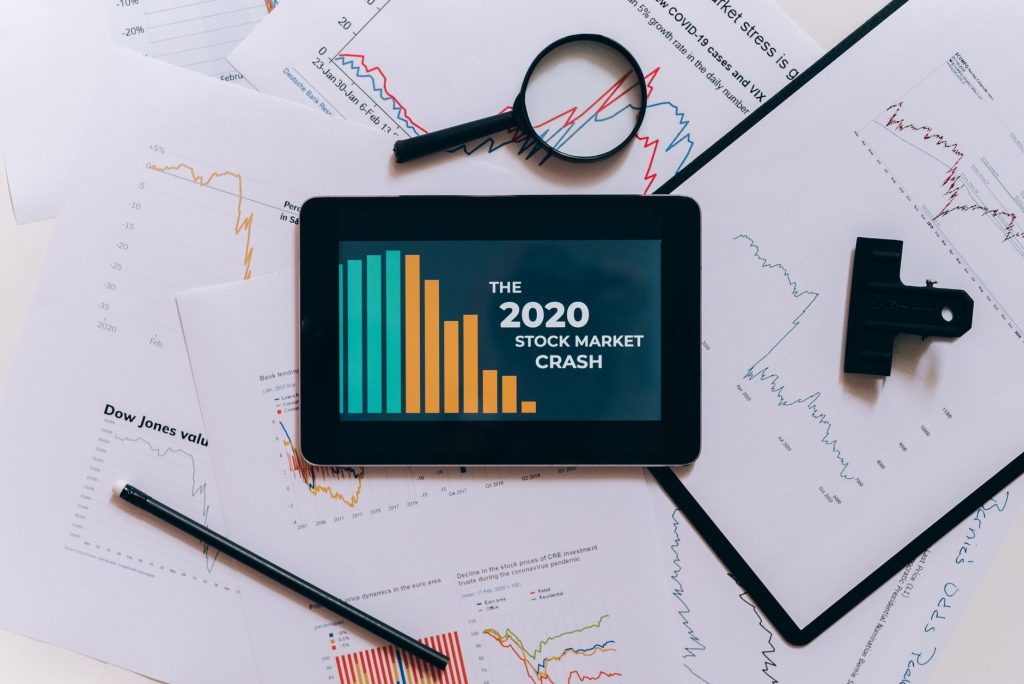
Photo by Alesia Kozik on Pexels

Sources

Related reading

Share: